The Influence of Color on Mood and Decision Making
Color plays a crucial role in shaping the environment and can significantly impact the emotions and behaviors of casino visitors. Warm colors such as red and orange are often used to create an inviting atmosphere that encourages social interaction and engagement. These vibrant hues can evoke feelings of excitement and stimulate appetite, potentially leading to increased spending at slots and table games, especially at places offering uk casino fast withdrawal options. By harnessing the principles of color psychology, casinos can effectively influence patrons’ moods and decisions, thereby enhancing their overall experience.
Furthermore, cooler colors like blue and green can instill a sense of calm, strategically applied in areas designed for relaxation, such as lounges and bars. These hues help balance the high-energy sections of the casino, allowing visitors to recharge before diving back into the gaming action. Understanding how color affects psychology is vital for designers aiming to curate an environment that promotes extended gaming sessions and maximizes revenue. Each color’s psychological impact can be carefully planned to enhance the casino’s allure.
Additionally, the strategic use of lighting in tandem with color can create an alluring ambiance. Bright, colorful lights attract attention and can instill a sense of urgency among players. This combination is instrumental in leading visitors deeper into the venue, as they become engrossed in the visual stimulation. Ultimately, knowing how to manipulate color and light effectively can influence player behavior, making it a critical consideration in casino design and enhancing the likelihood of repeat visits.
Spatial Layout and Flow: Enhancing Engagement
The spatial design of a casino affects how players navigate the space, directly influencing their gaming experience. Designers often employ an open layout to encourage visitors to explore every corner of the establishment. This strategy creates a sense of discovery, provoking players to wander from one gaming area to another, thereby prolonging their stay and increasing the likelihood of additional betting behavior. The overall structure plays into the psychological experience of excitement and curiosity, inviting players to delve deeper into the entertainment offered.
A focal point, such as a prominent game or eye-catching display, can also guide the flow of movement within a casino. Designers use these elements to direct players to high-stakes areas or featured games. By creating a path of least resistance, casinos can optimize player traffic, maximizing time spent gambling while minimizing the chances of players feeling lost or overwhelmed. This layout tactic is crucial in maintaining a bustling atmosphere that keeps the energy levels high and the gaming excitement palpable.
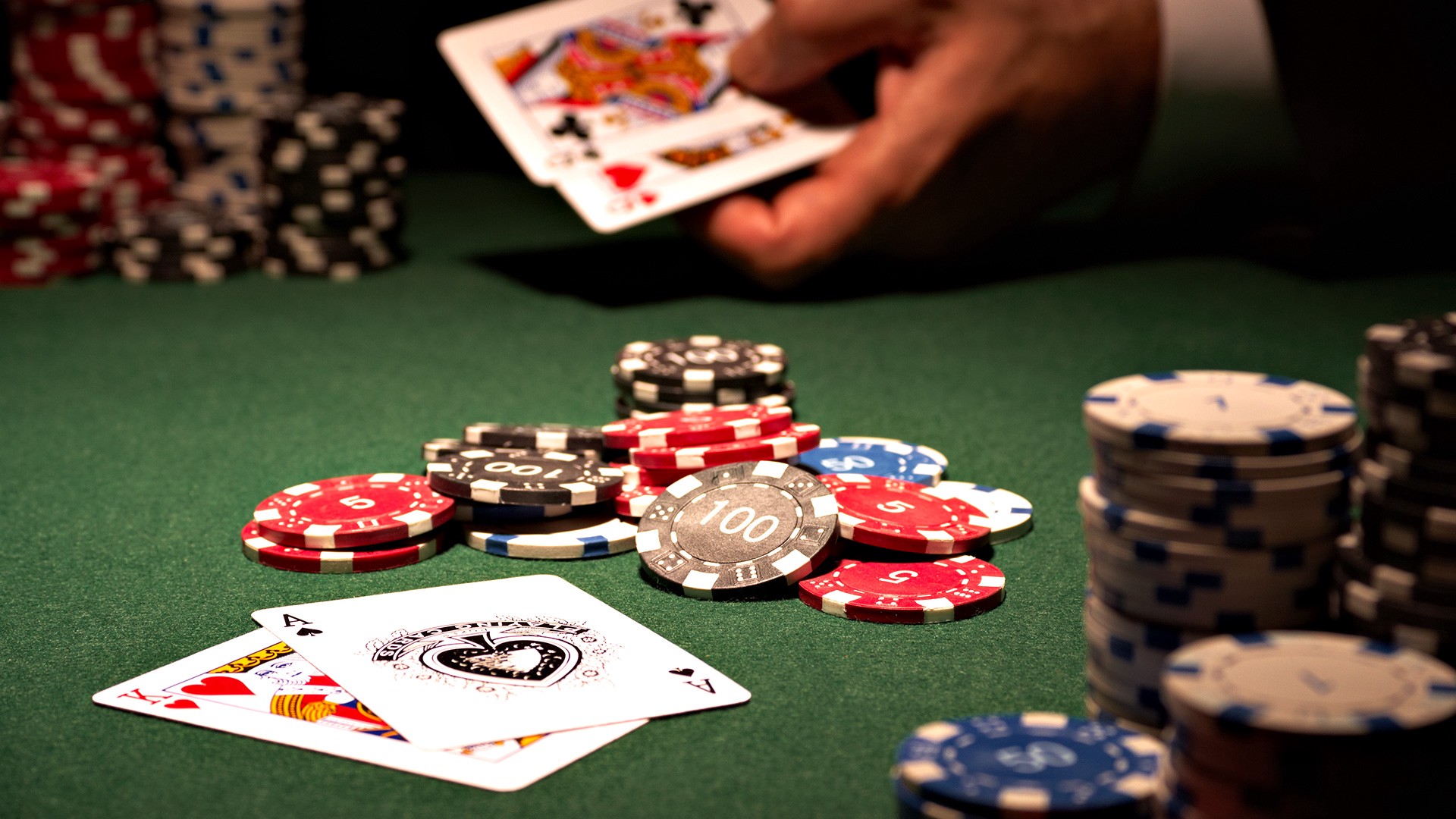
Furthermore, creating distinct zones within the casino can cater to different player demographics. For instance, high-limit rooms are designed to feel exclusive and luxurious, attracting high rollers, while more casual gaming areas promote a lively, social ambiance for a broader audience. By recognizing the various needs and preferences of players, designers can enhance overall satisfaction, encouraging repeat visits and longer play sessions. This thoughtful spatial arrangement ultimately contributes to a more enjoyable and profitable experience for both the casino and its patrons.
Soundscapes and Their Effects on Player Behavior
Auditory elements significantly shape the casino experience, influencing how players react within the gaming environment. The strategic incorporation of sound, from the jingles of slot machines to the murmurs of excitement at table games, creates a dynamic atmosphere. These sounds are engineered to evoke feelings of joy and winning, even if losses are prevalent. When players hear the sounds of coins dropping or celebratory music, they associate these auditory cues with success, encouraging them to continue playing and engage more deeply with the games.
The volume and rhythm of sounds can also impact player behavior. Soft, ambient music might be used in lounges to foster relaxation, while upbeat tunes are reserved for high-energy gaming areas. By carefully selecting sound profiles, casinos can evoke specific emotions that enhance the overall gaming experience. Psychological studies suggest that a tailored soundscape can increase the time players spend at machines and tables, thus boosting overall profitability, making sound design an essential element of casino strategy.
Furthermore, silence can be a powerful tool in a casino’s design. Quieter areas can create an atmosphere of intimacy and focus, ideal for serious gamblers who seek concentration while playing high-stakes games. By understanding the impact of sound, casinos can curate an experience that aligns with their goals, promoting both exhilaration and calmness depending on the area and time of day. This balance of auditory stimuli ensures that players remain engaged and entertained throughout their visit.
The Role of Amenities in Promoting Replay and Loyalty
Casinos are not just about gaming; the inclusion of amenities plays a vital role in enhancing player experience and fostering loyalty. Features such as restaurants, bars, and entertainment venues are designed to keep visitors on-site longer. By providing various entertainment options, casinos create a comprehensive experience that transcends mere gaming, encouraging players to return for a complete night out. The integration of these amenities is a strategic design choice driven by psychological insights into consumer behavior, ultimately serving to enhance customer satisfaction.
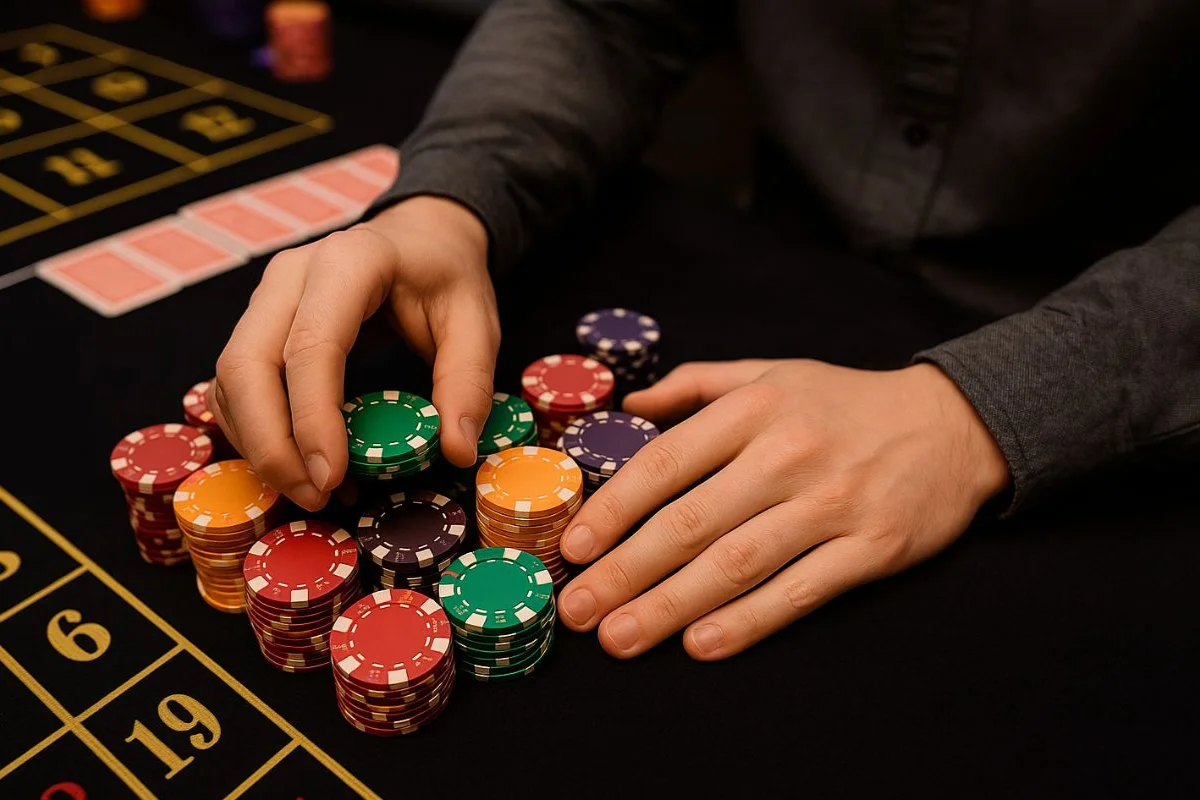
Moreover, loyalty programs are often tied to the amenities offered, providing incentives for players to spend more time and money at the casino. For instance, patrons who dine at on-site restaurants can earn points redeemable for free play or exclusive access to events. Such programs leverage the principles of behavioral psychology, where the promise of future rewards motivates players to engage more frequently. This interplay between amenities and loyalty programs is crucial for maintaining long-term patronage, creating a cycle of engagement and reward.
Furthermore, the ambiance of these amenities can reflect the overall theme and identity of the casino, reinforcing brand loyalty among visitors. A cohesive design that delivers a unique atmosphere helps create memorable experiences, solidifying a player’s emotional connection to the establishment. By thoughtfully integrating amenities within the casino design, operators can enhance customer satisfaction, ultimately leading to increased revenue through repeat visits and enhanced spending. The psychological impact of a well-rounded casino experience cannot be underestimated.
Exploring Casino Websites: A Virtual Introduction
As the digital landscape continues to evolve, many casinos have developed online platforms to enhance their reach and customer engagement. These websites showcase the essence of physical casinos, offering a virtual experience that reflects the same design principles found in traditional settings. From visually appealing graphics to user-friendly layouts, casino websites are designed to attract users and provide an engaging online gaming environment that mirrors the excitement of land-based gambling.
Web design plays an integral role in online casinos, utilizing color, layout, and sound to create an enticing atmosphere that mirrors the thrill of physical gaming venues. Gamers can indulge in virtual slots and table games while enjoying themed graphics and immersive soundscapes designed to replicate the casino experience. This approach helps establish brand recognition and loyalty, as players associate the online platform with their in-person visits, fostering a comprehensive gaming experience that transcends physical boundaries.
In essence, the design of casino websites emphasizes user experience, ensuring players can navigate effortlessly while enjoying a plethora of gaming options. With seamless integration of bonus offers, loyalty programs, and promotions, these websites cater not only to existing players but also attract new users looking for entertainment. By harnessing the same psychological principles utilized in physical casinos, online platforms can successfully engage players and drive both participation and revenue. The intersection of design and user experience in this realm is crucial for success in a competitive market.